



If it’s happening now
In an emergency, always call 999.
Call 999 if someone is damaging property now, or you’re in danger. Try not to confront the people involved.
What is criminal damage?
Criminal damage is when someone damages or destroys property that belongs to someone else, on purpose or without caring whether it gets damaged. This can include graffiti, smashed windows, damaged cars, or broken fences and gates.
Setting fire to property can also be criminal damage. If someone has set fire to your property, see our Help after arson page.
How criminal damage can affect you
Criminal damage can affect you in different ways. You might feel upset or angry about what’s been damaged, or worried about the cost of repairs. It can also affect how safe you feel at home or in your area, especially if it keeps happening.
Damage to your belongings can feel personal. However criminal damage has affected you, your feelings are valid. We believe you.
What to do after criminal damage
If you choose to report the crime
You don’t have to report criminal damage to the police if you don’t want to. However, you may need a crime reference number if you want to make an insurance claim.
- Take photos of the damage: Take photos before cleaning or making repairs, if it’s safe. The police may need to see what happened, including any graffiti.
- Leave things as they are, if you can: Try not to touch or move damaged items until you’ve spoken to the police. This may help preserve evidence.
- Report criminal damage to the police: If it isn’t an emergency, you can call 101. Read our guide on how to report a crime. If you’re in danger or the crime is happening now, call 999.
- Ask for a crime reference number: The police can give you this. Your insurer may ask for it if you make a claim.
- Check your insurance: Look at your policy to see whether the damage is covered. Contact your insurer before arranging repairs if you plan to claim.
- Find out who can arrange repairs: If you rent, contact your landlord. If the damage is to public property, contact the owner, such as your local council. For graffiti on railway bridges or telephone boxes, contact the company responsible.
- Make anything unsafe secure: If something is broken or dangerous, make it safe if you can do so without putting yourself at risk. Keep damaged items where possible.
- Take photos before cleaning up: Keep a record of the damage before removing graffiti or making repairs, if it’s safe.
- Check your insurance: Read your policy and ask your insurer what you need to make a claim. They may ask you to report the crime to the police.
- Contact the person responsible for repairs: If you rent, tell your landlord. For damage to public property, contact the council or the company that owns it.
- Make anything unsafe secure: If you can safely do so, take steps to prevent further harm. Keep any damaged items if possible.
Reporting criminal damage
It’s your choice whether to report it. If you’d like to, call 101. If someone is in danger, or it’s happening now, call 999.
If you want to claim on insurance, you’ll need a crime reference number from the police.
If you think it was aimed at you
If someone targeted you because of your race, religion, disability, sexual orientation or gender identity, it may be hate crime.
If someone has been violent or controlling towards you, and damages your belongings, this is domestic abuse. Domestic abuse is never your fault, and we can help you. You don’t need to be ready to leave, if you don’t want to.
If it keeps happening in your area, see Help after antisocial behaviour.
How we can help you after criminal damage
Our Support Workers can talk with you about what’s happened and how it’s affecting you.
Our support is free and confidential. You don’t need to have reported anything to the police. If you’d like to report it, we can support you.
Other organisations that can help
- your insurance company
- your landlord, if you rent
- your local council
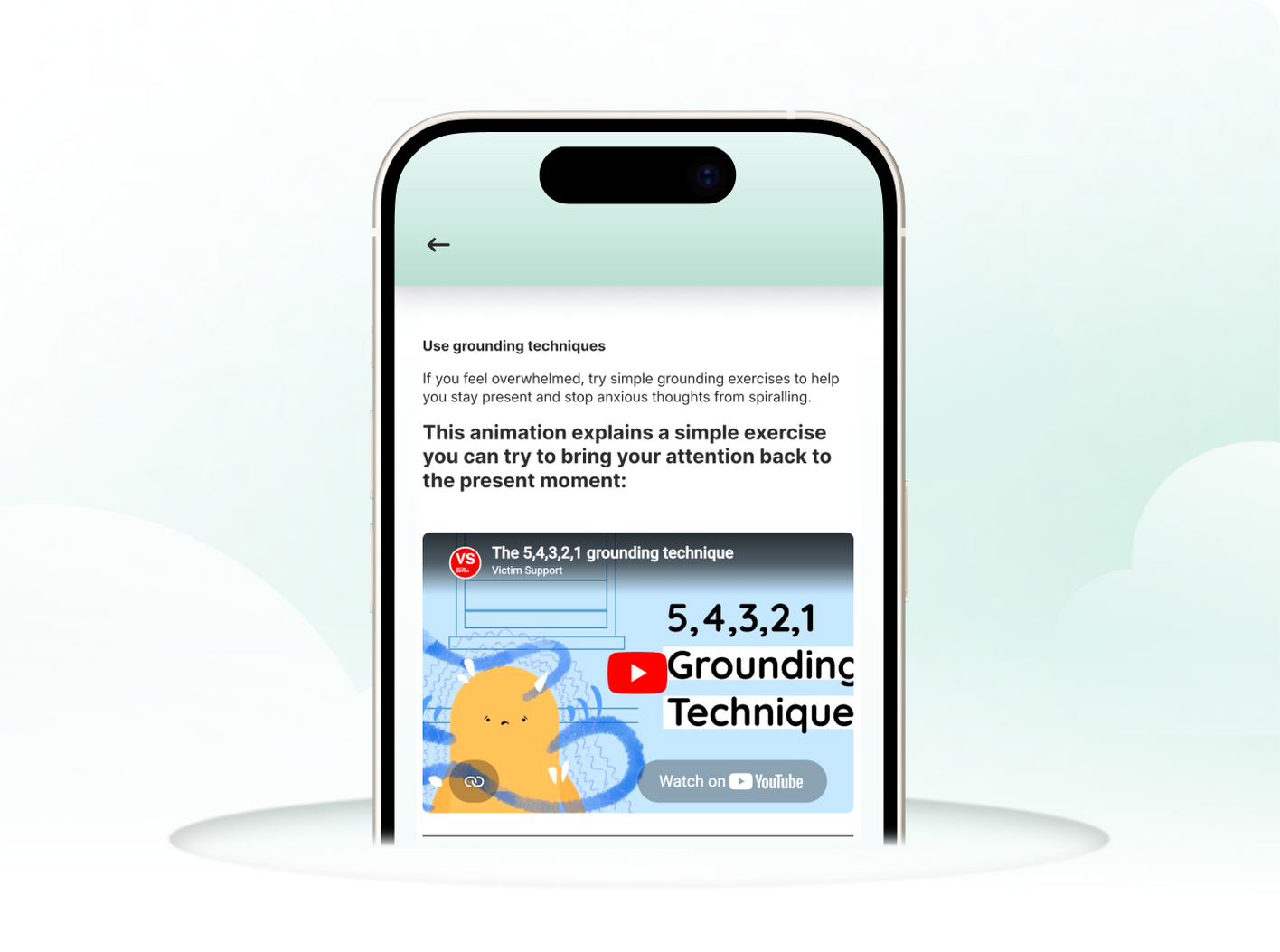
My Support Space:
My Support Space is a free and confidential online resource. It can help if you’re finding things hard after crime.
It includes guides, self-help tools, videos and activities. These can help you make sense of your experience and how you’re feeling. They can also help you move forward.



Learn more about how we can support you.
View our frequently asked questionsContact us
You can contact us in three ways. Contact us today for free and confidential support.
0808 168 9291
00:00 – 00:00, Mon – Sun.
