We support anyone in London affected by domestic abuse.
This includes if someone is currently being violent or controlling towards you in a relationship. It also includes if this has happened to you in the past.
Domestic abuse is never your fault. We will believe you, and we’ll support you, whatever happened, or is happening to you.
Our support is free and confidential. You don’t need to have reported anything to the police, and you don’t need to be ready to leave, if you don’t want to.
Talk to us today, to see how we can help.


How can the Domestic Abuse Service help?
Our support is individual to you. We’ll work with you to understand your safety and your individual needs.
Depending on your situation, we can offer help and guidance around:
- Crisis support
- Staying safe
- Explaining your rights and protection orders
- Protecting your children
- Counselling and mental health
- Talking to other organisations such as the police, council, or schools
- Leaving the situation
- Rebuilding confidence
We can also provide advice and support to family members, friends and professionals working with you.
If you think you are in immediate danger, always call 999 and ask for the police.
More about this service
We know that it can be difficult to ask for help. We will believe you, and we’ll support you, whatever happened, or is happening to you.
Domestic abuse is never your fault. You are never to blame for what someone is doing to you.
Our support workers are trauma-informed and can help you to stay safe, and to better your situation.
It’s free to talk to us, and you don’t have to give us any personal details, if you don’t want to.
Domestic abuse isn’t just physical. There are seven different types of domestic abuse – all of which are illegal:
- Physical abuse: When someone hits, hurts or threatens to hurt you. This includes punching, slapping, choking, burning, or using an object or weapon against you.
- Coercive and controlling behaviour: This is behaviour by someone that makes you feel like you can or can’t do certain things. This can include threats and punishments. The can include deciding who you see, where you go and what you do, and making you afraid to say no.
- Sexual abuse: When someone forces or pressures you into sexual activity without your consent. This can happen in a relationship, and it is still abuse.
- Emotional and psychological abuse: Using words and actions to frighten, humiliate or control you. The person might threaten or isolate you, or try to make you doubt what you remember.
- Financial and economic abuse: Someone controls your money and your access to it. They might take your wages, run-up debts in your name, stop you working, or give you no say in how money is spent.
- Harassment and stalking: When someone follows you, watches you, or contacts you again and again when you have told them to stop. This can carry on after a relationship ends.
If you’re experiencing any of these, we can help you.
To get support from us, you can:
- Call us: 0808 168 9291;
- Start a live chat; or
- Fill in our online form.
Further information about contacting us can be found here.
A trained support worker will guide you through how support works, and ask you some questions, so that we can understand your needs.
If you’re worried about someone else, we can also support you. If you are interested in referring someone else for support, we will need their content before we can contact them.
Self support
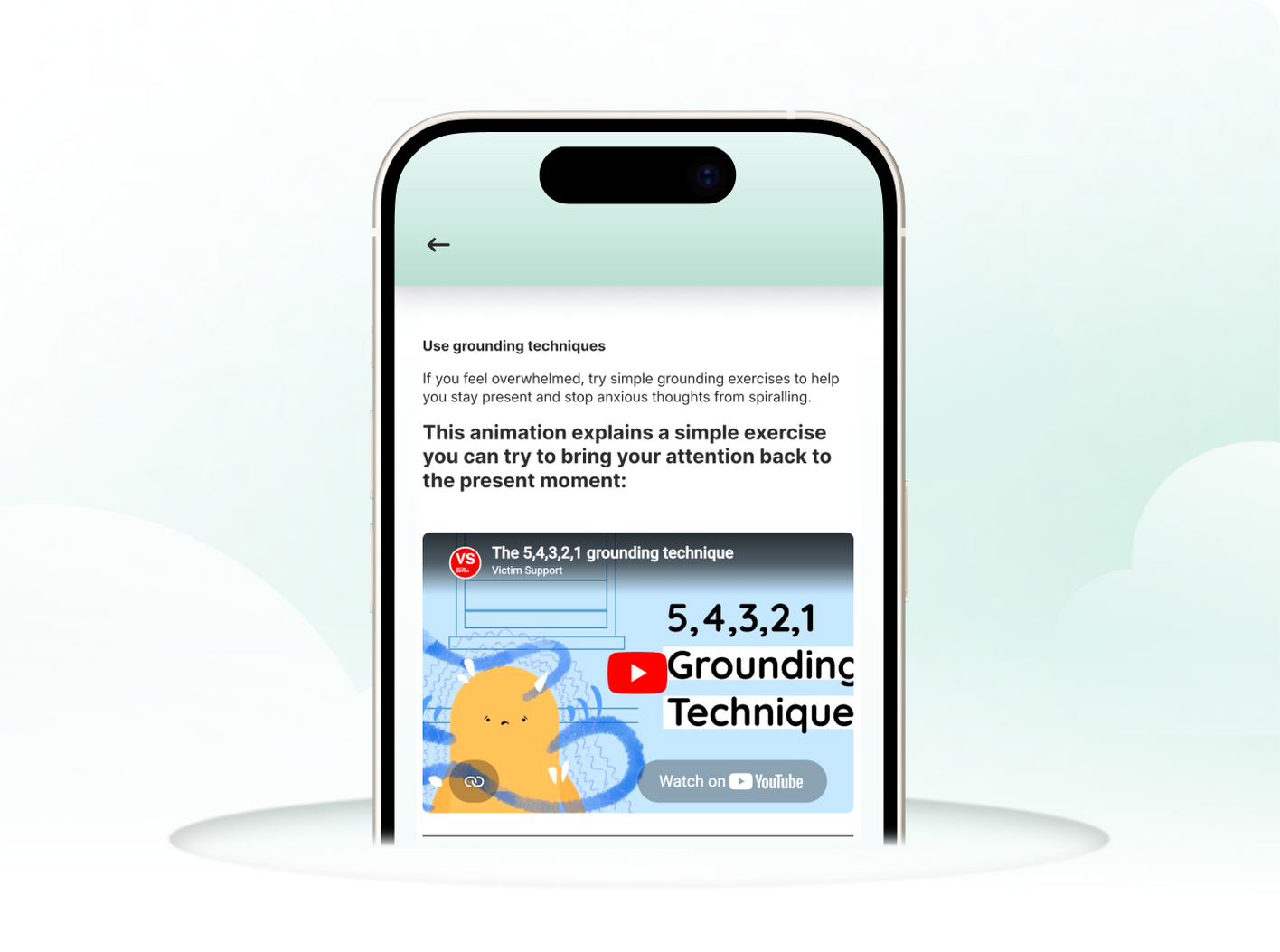
Download our free My Support Space app
Complete interactive guides, access coping techniques and track your progress.


Other services
Need help with another service? Select another service to learn more.
Learn more about how we can support you. View our frequently asked questions.
Contact us
There are three ways you can contact us directly.
0808 168 9291
00:00 – 00:00, Mon – Sun.
