



If you need to act now
In an emergency, always call 999. Call 999 if someone is threatening you, or you’re in danger.
If you’ve lost money, or someone may have your bank details: contact your bank straight away. Your bank can take action to protect your account, even if no money has been taken.
You can call 159 to reach your bank safely. Check your bank uses it. 159 will never call you, so if someone calls and says they’re from 159, don’t answer.
What is cyber crime?
Cyber crime is crime that happens online, or through a computer, phone or other device. It can include:
- someone getting into your accounts or device without your permission
- scam emails, texts or calls that trick you into giving away money or details
- someone using your personal details to pretend to be you
- viruses and other harmful software
First steps
If you are in danger now, call 999. If you are not in immediate danger, you can report what happened to the police on 101 or online. You do not have to report anything to get support from us.
Whatever you decide, our team can talk through what happens next and help you take it at your own pace.
Support from our team
Our support is free, confidential and independent of the police. We can help whether the crime happened yesterday or years ago, and whether or not it was reported.
We will listen, explain your options and put you in touch with the specialist service that fits your circumstances.
What to do after cyber crime
It’s your choice what you do. Here are some things that can help.
- Contact your bank. If you’ve lost money, or you think someone has access to your account, tell your bank or payment provider as soon as you can. Keep notes of your conversations, and copies of any letters. Banks should refund money stolen through fraud, so ask about your options.
- Secure your accounts. Contact the company that runs the account, such as your email or social media provider. Check your email account is safe. Log out of all devices and apps. Check your bank statements and online shopping accounts for anything you don’t recognise. Change passwords for the affected accounts, and for any other account that uses the same password.
- Report it to Report Fraud. Report Fraud is the national reporting centre for fraud and cyber crime. You can report to them online, or call 0300 123 2040, even if no money was taken. They’ll log it and give you a crime reference number.
- Report scam messages. You can forward scam emails to report@phishing.gov.uk, and report scam texts by forwarding them to 7726.
- Tell other organisations. If a company’s name was used in the scam, such as an energy provider or the DVLA, tell them. You can also tell the platform where it happened, like Facebook or Google.
- Keep a record. Keep any emails, messages or screenshots.
- If your personal details were stolen, you can ask Cifas for protective registration.
Reporting cyber crime
It’s your choice whether to report it, but reporting helps the police and others act. For most fraud and cyber crime, the police will ask you to report to Report Fraud first.
If you think it was aimed at you
If someone has used technology to watch, threaten or control you as part of an abusive relationship, this may be domestic abuse. Domestic abuse is never your fault, and we can help you. You don’t need to be ready to leave.
If someone targeted you online because of your race, religion, disability, sexual orientation or gender identity, it may be hate crime.

How we can help
Our Support Workers can talk with you about what’s happened and how it’s affecting you. We can help you think through your options, make a safety plan, and find other support.
Our support is free and confidential. You don’t need to have reported anything to the police. If you’d like to report it, we can support you.
For tips on staying safe online, read Staying safe online.
Other organisations that can help
- Report Fraud
- your bank
- National Cyber Security Centre
- Citizens Advice
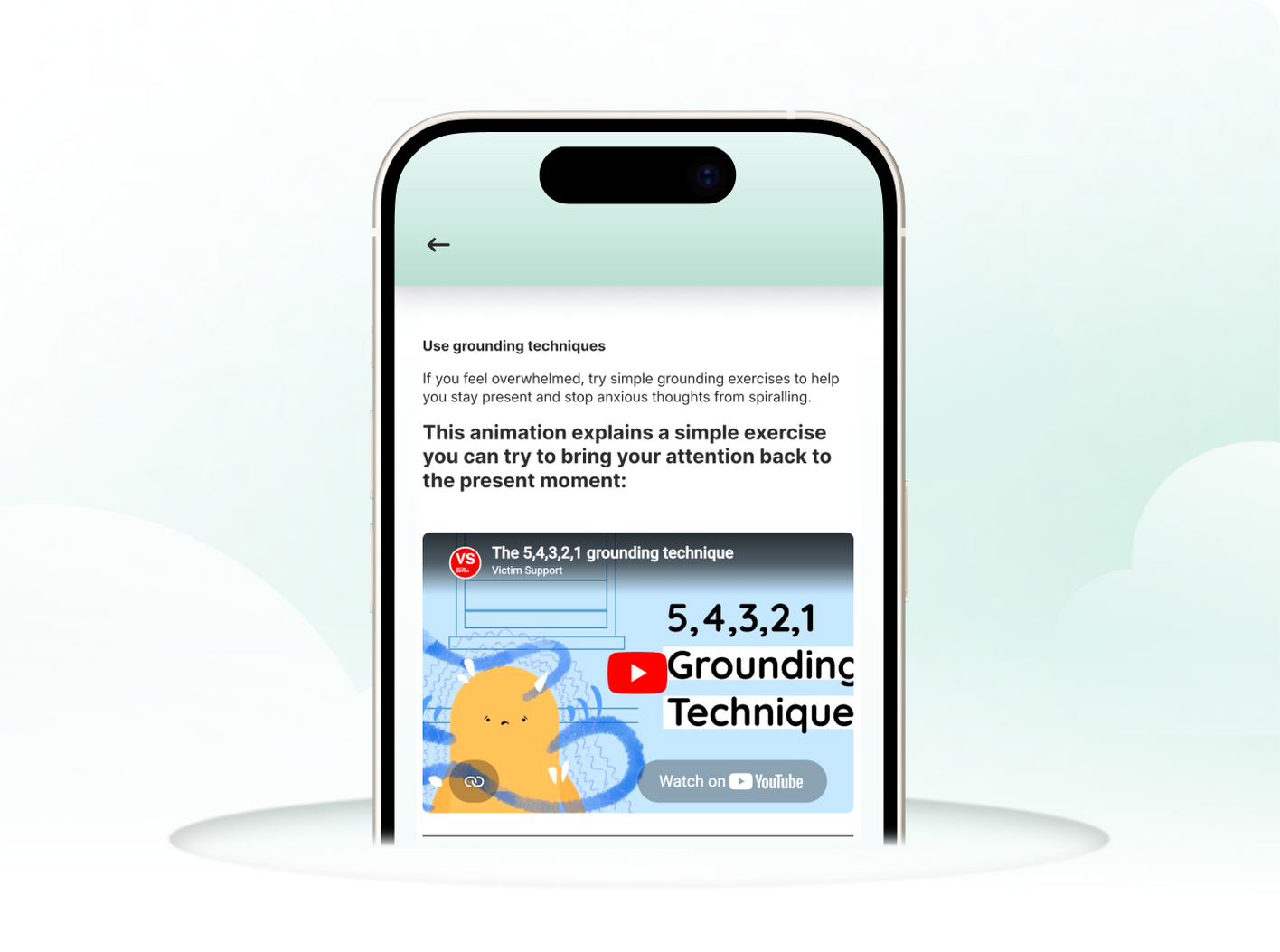
Self support
Download our free My Support Space app
Complete interactive guides, access coping techniques and track your progress.



Learn more about how we can support you.
View our frequently asked questionsContact us
You can contact us in three ways. Contact us today for free and confidential support.
0808 168 9291
00:00 – 00:00, Mon – Sun.
